The energy-efficient ventilation system is no longer just a comfort extra, but a conscious decision for those who want lower heating bills, better air quality, and constant comfort at the same time. The essence of the solution is simple: it provides continuous, controlled air exchange while protecting the heat reserves of the home. While opening windows results in immediate heat loss, modern heat recovery retains a significant portion of the indoor warmth and only „works” to the extent that is truly necessary. As a result, the air in your home remains fresh and oxygen-rich, while your heating system receives a more even, predictable load.
In everyday life, the difference is already noticeable after a few weeks. There will be no „stale” smell in the living room, working will be less tiring during long concentration, and sleep in the bedroom will become more restful because the CO₂ level does not rise permanently. In the kitchen and bathroom, moisture does not get trapped inside, so surfaces and structures remain drier, which is advantageous from both aesthetic and maintenance perspectives. Regular, controlled ventilation not only improves well-being but also protects the building's condition: the chance of mold decreases, windows do not need to be opened multiple times a day, and the „cool down–heat up–cool down again” cycle, which is otherwise the most expensive operation, does not develop.
Reducing heating costs through ventilation
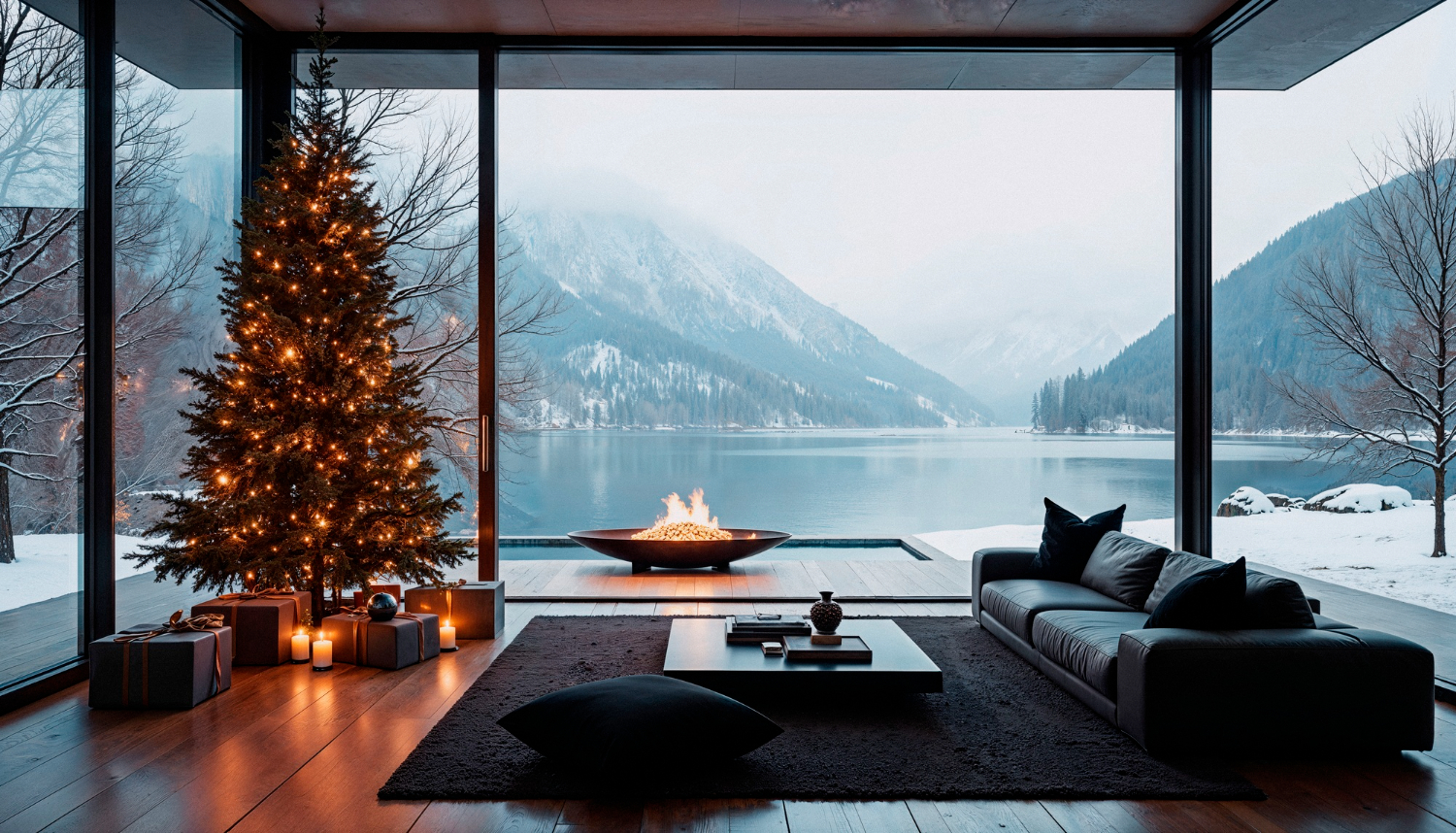
Heating costs really escalate where ventilation is uncontrolled. Classic window opening-ventilation releases the heated air every time and lets in the cold, which the heating then has to compensate for again and again. In contrast, the energy-efficient ventilation system continuously and gently exchanges the air while recovering the heat content of the outgoing air and transferring it to the incoming fresh air. This heat recovery allows the heating system to operate without peaks and nerve-wracking fluctuations, but rather evenly, with less loss. The savings are not only visible on the bill: comfort will also be more constant, eliminating the discomfort caused by sudden temperature changes.
In addition to the energy benefits, there are several tangible usability advantages. Modern controls automatically adjust the air supply to the actual load based on sensors (such as CO₂ and humidity meters). If guests arrive in the evening, the system knows to increase the air exchange, while during the day when the apartment is empty, it switches back to energy-saving mode. The „bypass” function is useful during the transitional periods of spring and autumn, when the cooler outside air refreshes the home by bypassing the heat exchanger, thus preventing overheating of the rooms and requiring even less heating or cooling. All of this together provides that invisible yet powerful optimization that keeps heating costs and daily comfort in check simultaneously.
During renovations, decentralized, room-by-room units often represent the most sensible entry point: they can be quickly installed with minimal electrical connections and wall penetrations, and they immediately improve the air quality in the most critical zones – bedroom, children's room, office. In new construction or larger renovations, the central, ducted solution is the most comfortable: it works discreetly in the background, the air distribution is uniform, sound insulation is elegant, and manageability is in one hand. If you want to see the difference between the solutions, take a look at the Vents blog, where case studies and practical tips help you choose the ideal direction.
Energy-efficient ventilation system
The term „energy-efficient” actually represents a complete set of criteria. Heat recovery is the core, but functions are built around it that make everyday use comfortable and long-term operation predictable. Air quality is the first: keeping the CO₂ level in check significantly improves concentration and sleep quality. When the system gently increases the air exchange during a family dinner, an online meeting, or an intensive study weekend, the effect is immediately felt. Regulating humidity is similarly important: air that is too dry is irritating, while air that is too humid favors mold. Good ventilation maintains the balance and protects the building structure as well.
The noise issue is now much less of a neuralgic point than it used to be. Modern EC motor fans are quiet, and carefully selected diffusers deliver air into the space without drafts and with a pleasant flow rate. In night mode, the operation is barely audible in the bedrooms, and during the day, the system is simply „not there” – you only feel the fresh air. This is complemented by smart controls: timers, remote access, finely tunable profiles, and the aforementioned bypass. The goal is always the same: an invisible background system that operates in harmony with your daily rhythm, where economy and comfort do not conflict with each other.
Quick summary
How much does controlled ventilation matter for heating bills?
Controlled air exchange reduces heat loss and avoids sudden cooling of rooms.
- Constant air exchange without opening windows
- Heat recovery from outgoing air
- Even temperature throughout the home
- Less heating energy for the same comfort
Stable air exchange is the best energy-saving foundation for any apartment.
The quality of design and execution directly affects the experience. Determining the ideal air delivery, the duct sizes and paths – when it comes to a central system – noise attenuation, and planning the location and ratio of supply and exhaust are all professional details that ultimately culminate in a single feeling: „it's nice to be here.” Therefore, it is worth involving the expert team early on and discussing expectations, usage habits, and room functions. For inspiration and background knowledge, it is recommended to review the „The scent of home – ventilation that also improves well-being” article: it summarizes in an understandable way why the quality of life will be different in a constantly fresh yet energy-efficiently managed space.
From an operational perspective, maintenance is simple yet crucial. Regular filter replacement is not only a hygiene issue but also decisive in terms of performance and noise level. Air flows more easily through a clean filter, fans achieve the same effect with less effort, and the heat exchanger maintains its efficiency. It is worth occasionally checking the system, reviewing the settings, and fine-tuning them to usage habits. This way, the energy-efficient ventilation system will remain reliable for many years and will be the kind of „background technology” you don't have to think about – you just enjoy the result.
A short checklist can help you make a good decision:
- New construction or renovation? (central ducted or decentralized units)
- Which rooms are critical?
- How important are remote control, night mode, and bypass? – Is there an allergy sufferer in the family, is enhanced filtration necessary?
- Where can the machinery be aesthetically hidden?
If you have answers to these questions, you are halfway to your ideal solution. 6. Vents.hu On the side, you will find more tips and examples, on the blog we will present step by step how to proceed from planning to execution.
Decision support
Which system could be ideal: decentralized or central
A few questions that help you decide faster which direction is the right one.
-
New construction or renovation
In new construction, the centralized system is generally the most convenient. -
Renovation often finds decentralized solutions to be quick and clean.
Which rooms are critical. -
The network, children's room, and office are the three main areas.
These can be handled separately with decentralized units. -
Control and functions
Remote access, night mode, bypass function, filtration level.
Based on these, the advantages of the two solutions are well separated.
Placement of machinery.
The central system requires more space, but in return, it provides uniform and quiet operation. Economical heating, fresh air, stable comfort 6. Vents.hu The energy-efficient ventilation system is for those who want to reduce heating costs not with improvised solutions, but with a conscious, long-term strategy. Thanks to heat recovery, warmth does not "fly out" with every ventilation, air quality remains stable, and comfort is constant. At the end of the day, this can also be measured in money, but equally important is that it will be better to be at home: mornings are fresher, focus is easier, and nights are more restful. on the blog Are you ready to save smartly on heating?.