One of the most important yet often overlooked air quality parameters is the indoor carbon dioxide (CO₂) level. Although its presence is natural, poor ventilation can easily lead to health risks – in the form of fatigue, headaches, sleep disturbances, or even chronic diseases. In this blog post, we will show why regulating CO₂ levels is particularly important in homes, schools, and offices – and how Vents helps with intelligent sensors and ventilation systems.
But what is the appropriate carbon dioxide level?
For humans, the most comfortable air is considered to be outdoor air containing approximately 0.04% carbon dioxide or 400 ppm (parts per million) of carbon dioxide. In a room where people are present, the increase in CO2 content is inevitable, while an increase to 0.08% (800 ppm) does not affect a person's well-being in any way, and such air is considered normal. When the CO2 concentration reaches the range of 0.08-0.10 % (800-1000 ppm), the quality of such air is already considered moderate. At this CO2 concentration, some people may feel mild general discomfort. When the CO2 concentration reaches the range of 0.10-0.14% (1000-1400 ppm), a person may experience fatigue, shortness of breath, throat problems, as well as issues related to maintaining attention and processing information. In most countries, this CO2 content is considered the lower limit of acceptable norms.

If the carbon dioxide content reaches 0.14% (1400 ppm), the air quality is low. In such an environment, a person may experience severe fatigue and lethargy, a lack of initiative and apathy, as well as concentration and sleep problems. If the CO2 content reaches 0.2 % (2000 ppm), the human body reacts even more pronouncedly: headaches and other complaints arise, a person becomes reluctant to work and engage in mental activities, may suffer from chronic nasal and throat diseases, etc. Prolonged exposure to a room with a CO2 content of 0.25-0.5 % (2500-5000 ppm) can lead to serious health problems. The constant effect of high CO2 concentration leads to an increase in blood acidity, which can result in acidosis – a shift in the body's acid-base balance towards increased acidity. Acidosis can trigger diseases such as diabetes, musculoskeletal and cardiovascular problems, and general weakness.
It is commonly understood that ventilating a room is done to replenish the gradually decreasing oxygen supply due to constant human consumption. This is partly true, but the more important result of ventilation is the removal of excess carbon dioxide from the room. It is well known that for comfort, the air must contain 20.9 % oxygen. At the same time, a decrease in oxygen content to 15 % or an increase to 80 % does not significantly affect the human body. The same cannot be said for carbon dioxide, as even a 0.1 % change in its concentration has a noticeably negative effect on humans. Therefore, it is very important to monitor the air's carbon dioxide concentration, especially in preschool facilities and schools. It is no secret that many schools still do not have ventilation systems, and ventilation is simply done by opening windows. Regulating the CO₂ level allows for the identification of increased carbon dioxide concentration and ensures better ventilation within the facility, thereby improving students' well-being and mental functions, as well as their perception of the information taught.
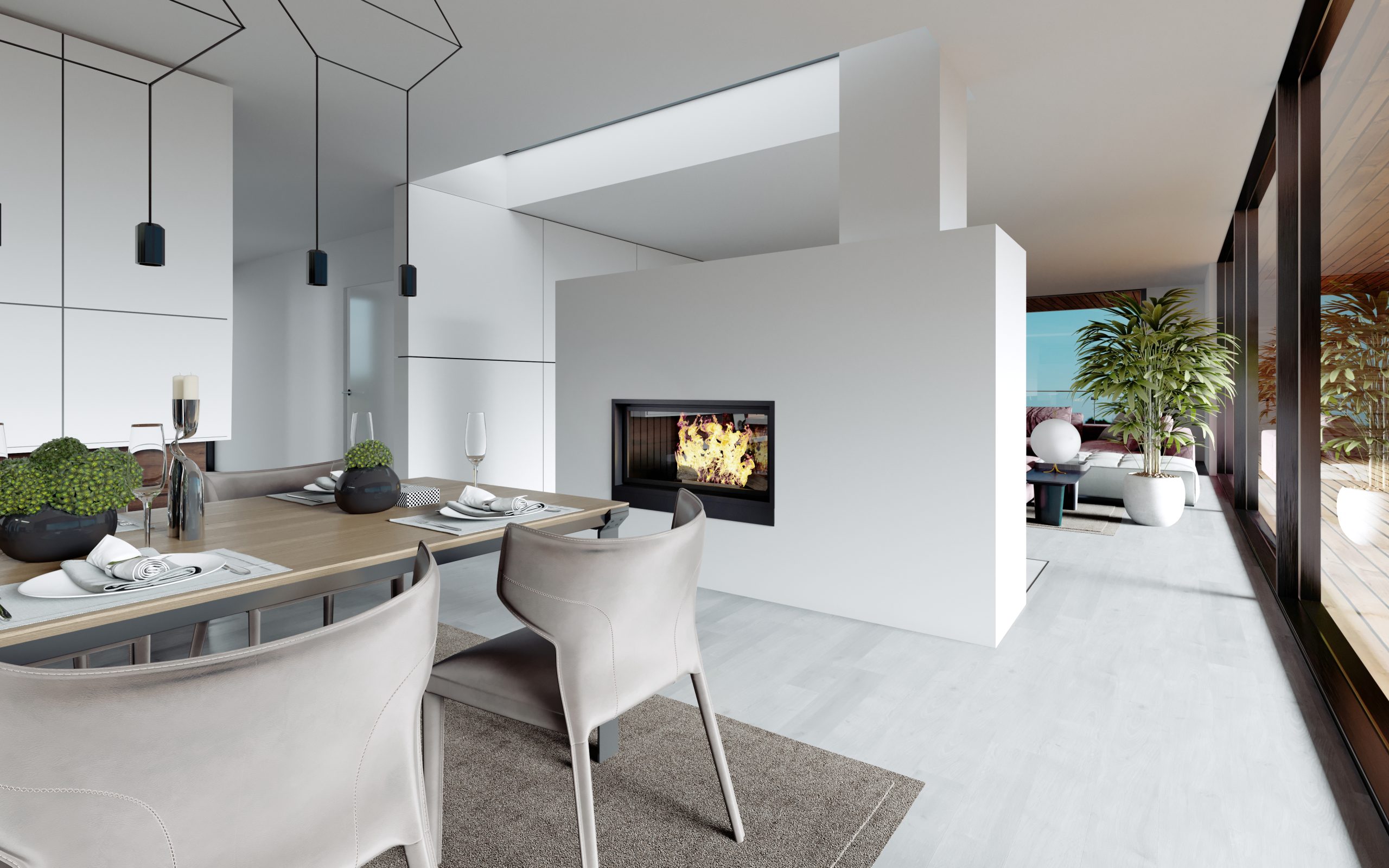
But what can we do to maintain the appropriate carbon dioxide content?
A special carbon dioxide sensor allows for the identification of CO2 concentration within the room. This device is useful in residential, office, and commercial spaces with a large number of people, such as classrooms, conference rooms, etc. Such sensors can operate as standalone devices or as built-in parts of ventilation systems. In the latter case, it allows for the automatic switching on and off of the ventilation system, as well as changing the operating mode depending on the carbon dioxide concentration within the room. There are sensor modifications with a mode switch and an LED light indicating CO2 concentration, which allow the ventilation to be turned on only when necessary, that is, when the indicator is activated.
The Vents CO2 sensor is designed for measuring indoor carbon dioxide concentration and for CO2 concentration-based air capacity control of ventilation systems. The sensor has two separate outputs: a normally open dry relay contact and an analog output – 10 V. The relay output is used to switch the ventilation system on and off depending on the indoor CO2 concentration, while the analog output is used for stepless fan speed control of an EC motor fan or a fan equipped with a 0-10 V input. With uniform regulation of the fan speed, the fan speed changes proportionally to the carbon dioxide emission. Thanks to the relay and analog outputs, the sensor is compatible with any ventilation system. The built-in self-calibrating system ensures reliable sensor operation throughout its lifespan.
Did you know?
Already at 800 ppm CO₂ concentration, attention and learning performance can decrease – especially in children and students. Yet many schools do not have adequate ventilation, only window ventilation!
Vents ventilation systems equipped with CO₂ regulation help to:
- prevent fatigue, headaches, and sleep disturbances,
- maintain fresh thinking and concentration,
- to ensure the air quality necessary for learning, work, and rest,
- to automatically control ventilation only when it is really needed.
The sensor is available in two versions: Vents CO2-1 and Vents CO2-2. The CO2-1 model has built-in LED lamps that indicate CO2 concentration and a control button. Three operating modes are available: on, off, operation based on CO2 concentration. The button is used to turn the ventilation system on or off when CO2-based ventilation control is not needed. The CO2-2 model does not have LED lighting and an on/off button. This model is used in rooms where constant ventilation is required, such as school classrooms and other public spaces.

Self-calibrating sensor DPWQ40200 with microprocessor control for measuring the air's carbon dioxide content in the range of 0 to 2000 million-1 (parts per million). The sensor has 2 analog outputs (0-10 V and 4-20 mA), which allow for stepless control of the fan speed. With stepless control, the fan speed changes proportionally with the change in carbon dioxide concentration. The air's CO2 content is measured by a non-dispersive infrared analyzer (NDIR).
Choose Vents ventilation systems for regulating carbon dioxide levels!
Vents' modern ventilation system solutions help maintain the freshness of indoor air, reduce the effects of air pollution and regulate carbon dioxide levels. The flexible, retrofittable ventilation systems ensure continuous air exchange in an energy-efficient manner, which is key to allergy and the respiratory disease prevention. Take a step towards a healthier lifestyle and choose Vents ventilation systems., so that your home is always filled with fresh and clean air! www.vents.hu